Search for an interior designer in Dubai and two kinds of firm answer the call. One calls itself an interior design company. The other calls itself a design studio. They photograph similar work, quote similar fees, and use almost identical language on their websites. To a private client commissioning a villa or a penthouse for the first time, the distinction looks like marketing. It is not. It is structural, and it determines how the project is run, who is accountable, and where the money actually goes.
The market has both types of firm, and both can do good work. This is not an argument that one is honest and the other is not. It is a description of two different business models that happen to compete for the same search term — interior design companies in Dubai — and a guide to telling them apart before you sign anything.
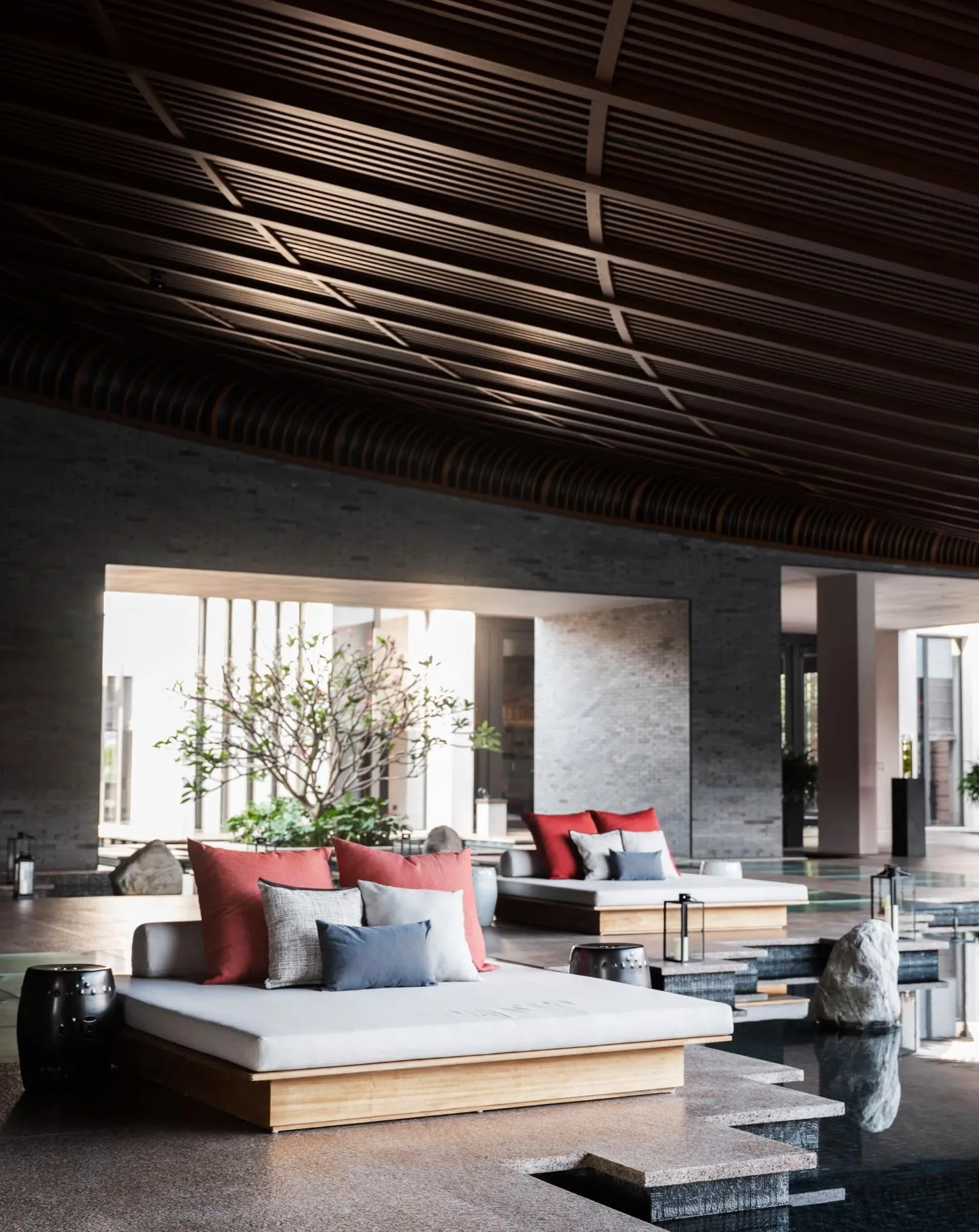
The company is, in most cases, a fit-out contractor that hired designers. Its centre of gravity is the build. It owns or controls a workshop, a labour force, and a procurement pipeline, and it added a design department because clients prefer to sign one contract. The design serves the build: drawings are produced to let the trades work, materials are selected for availability and margin, and the room is resolved at the level construction requires, not at the level a designer would hold. This model is efficient, and for a straightforward project it can be the right choice.
The studio is, in most cases, a design practice that built a delivery capability. Its centre of gravity is the drawing. It began by resolving rooms — plan, light, materiality, joinery — and added the ability to deliver because the gap between a drawing and a finished room is where quality is lost. The build serves the design: the contractor is managed to the drawing, materials are specified for how they age, and the lead designer stays involved through to handover. This model is slower and rarely the cheapest, and for a project that rewards a second look it is usually worth it.
The cost profiles are different, and they are different in a way that is easy to miss. Companies often undercut on the design fee — sometimes offering it free — and recover the margin on the fit-out, where supplier invoices are marked up by a percentage that is rarely disclosed. Studios tend to bill the design honestly, as a stated fee, and manage the fit-out at a lower, transparent margin. The headline number can make the company look cheaper. The total, across an eighteen-month programme, frequently is not.
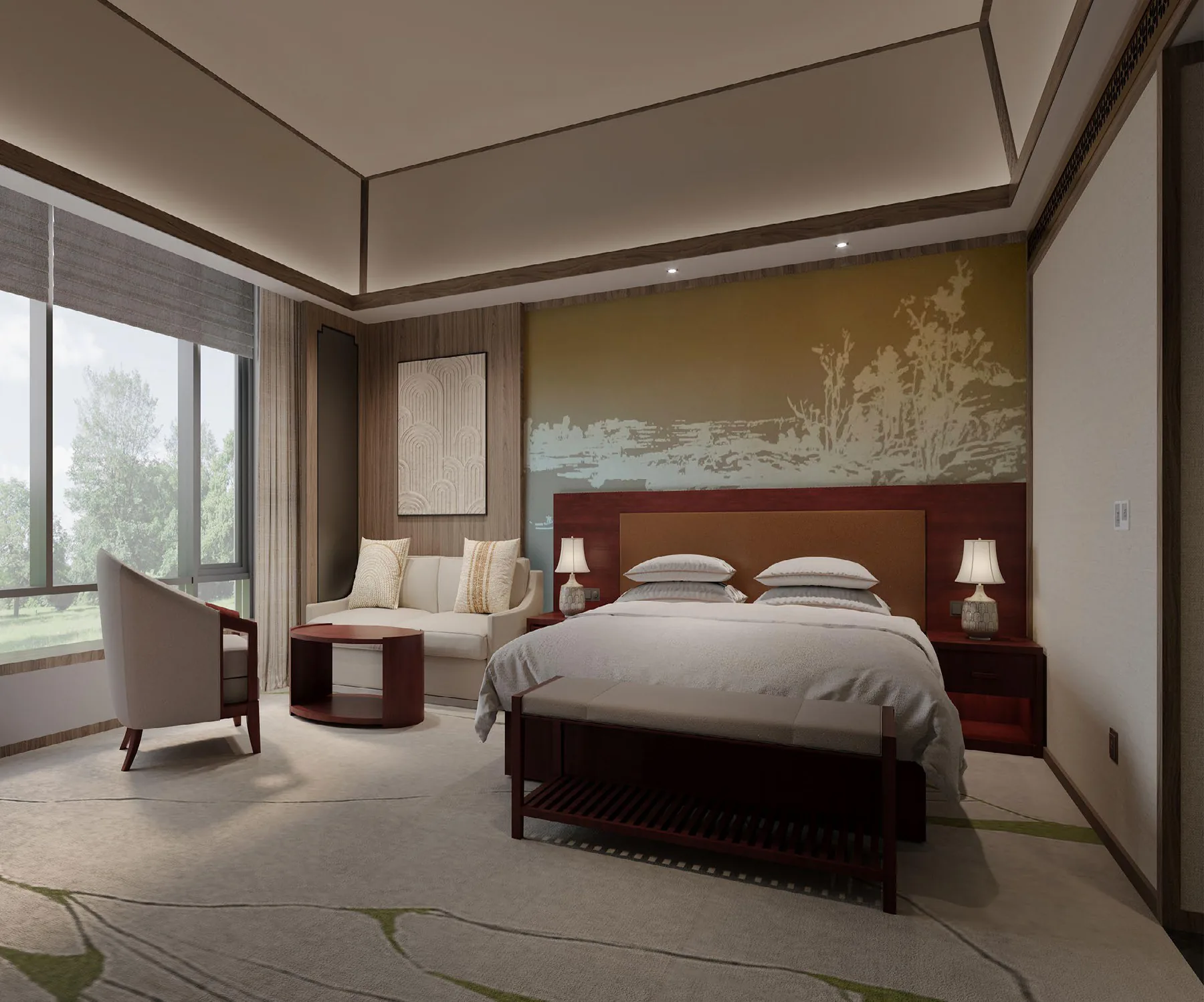
The accountability is different, and this is the difference clients feel most. In the company model, a project is commonly handed between teams: the designer who pitched, the technical team who detailed, the procurement desk who bought, the site team who built. Each handoff is a place where intent leaks. In the studio model, the lead designer who took the brief is the same person reviewing the site at month twelve. There are fewer handoffs, and therefore fewer places for the room to drift from what was agreed.
Six questions distinguish them in a first meeting. Who holds the budget, the programme, and the on-site quality — one team, or several? Who is the designer who will actually draw my room, and how many projects are they running? Is procurement marked up, and by how much? What happens after handover — is there a written aftercare programme? Can I see a finished room in person, not a render? And what is the process, with a realistic timeline attached? The answers sort the field faster than any portfolio.
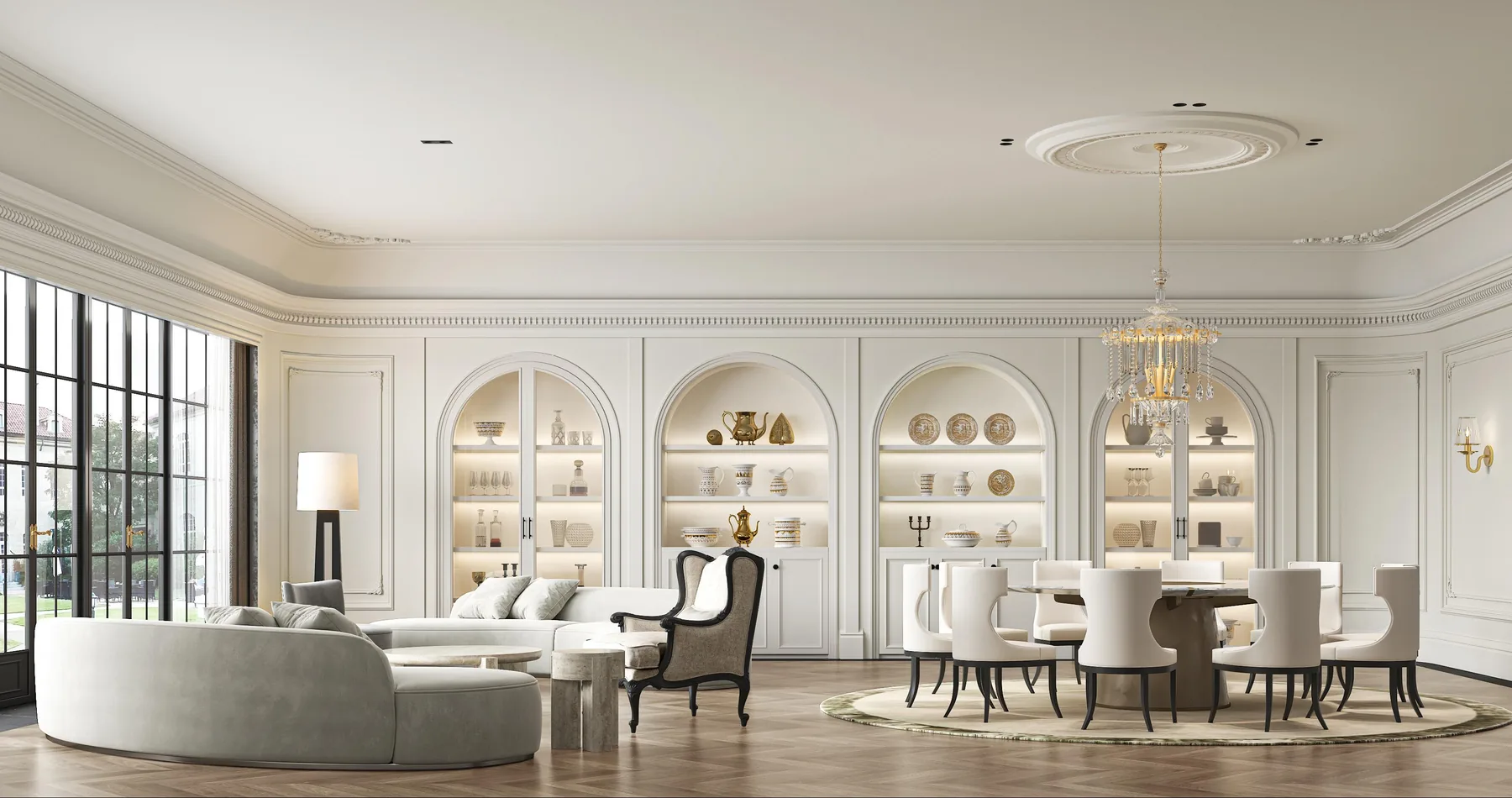
It is fair to ask where Montaigne Design sits, because we are one of the firms returned by that search. We are a studio with a delivery capability. We began as a design practice — founded in Hong Kong in 2011, headquartered in Shanghai, with more than forty delivered hospitality projects behind the residential work — and we built the delivery side around an in-house joinery atelier so that the drawing and the room would not diverge. We bill the design as a stated fee, pass procurement through transparently, and the lead designer stays on the project through a twelve-month aftercare programme.
That is our model, and it is not the right model for every project. A bare-shell apartment that needs a fast, sound fit-out may be better served by a capable company. A villa where the joinery, the light, and the plan have to hold for twenty years is the kind of commission a studio is built for. The honest question is not which type of firm is better in the abstract. It is which one your project needs — and whether the firm in front of you is clear about which one it actually is.